
Do you or a loved one feel out of touch with reality?
We’re here to help.
What is Bipolar Disorder?
Bipolar disorder is a mental health condition that causes dramatic shifts in a person’s mood, energy, and ability to think clearly. People with bipolar experience high and low moods, known as mania and depression.
Symptoms of Bipolar Disorder
Bipolar Disorder is episodic in nature. The episodes are of two types:
- Mania
- Depression
Usually, these episodes may last for a few weeks and could be even longer. In between these extreme mood shifts, you may have a period where you are well and function normally in day-to-day life.
If the episodes are too frequent, your functioning is reduced even when not experiencing an episode.
Mania
In mania or in a manic episode you may experience
Depression
In depression or in a depressive episode you may experience

High energy and overactive

Need to socialize

Inability to concentrate

Little need for sleep

Excessively good and cheerful mood

Overspending

High sex drive

Irritability

Sadness, anxiety, or a feeling of emptiness

Lack of interest in any pleasurable activity

Feelings of guilt, feeling worthless, or feeling hopeless

Trouble with concentration or memory.
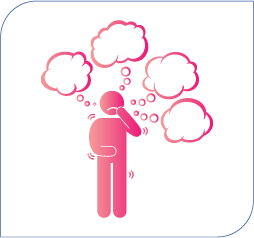
Thoughts of death, or suicidal thoughts or attempts

Low energy

Changes in appetite or weight
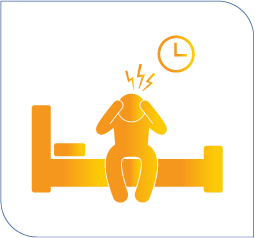
Disturbances in sleep
Both depression and mania can also have psychotic symptoms. In psychosis, you may have a firm belief about something which is not true or you may hear or see things that are not there.
Causes of Bipolar Disorder
There is no exact cause for Bipolar. Research evidence suggests a number of factors that may cause the disorder
Genetics
Neurochemical Imbalance
Overwhelming Stress
Major Life events (like the death of a loved one, separation, abuse, trauma, financial losses)

Impact of Bipolar Disorder
Bipolar disorder has a serious impact on your overall quality of life. The intermittent episodes can affect your work and relationships. Family life is compromised to a major extent. In severe episode, it may affect activities of daily living such as maintaining a routine, performing household chores.
Treatment
Bipolar Disorder is treatable. Often people hesitate to seek help as they feel ashamed or stigmatized. It is not your fault. It is a condition that can be effectively treated.
A comprehensive treatment that includes medicines and psychotherapy gives a better chance at recovery.
- Pharmacotherapy which is medicines prescribed by a Psychiatrist.
- An intervention like rTMS (repetitive transcranial magnetic stimulation) is also known to be effective in treating depression.
- Psychotherapy is administered by Clinical Psychologists and Psychotherapist. Evidenced-based therapies like IPSRT, CBT, MBSRT, ACT have shown promising outcomes.

Who we are

Team Mind Plus – Led by Dr. Kunal Kala, Psychiatrist, MBBS MSc MRCPsych (UK)

Our international standard premises

Group therapy
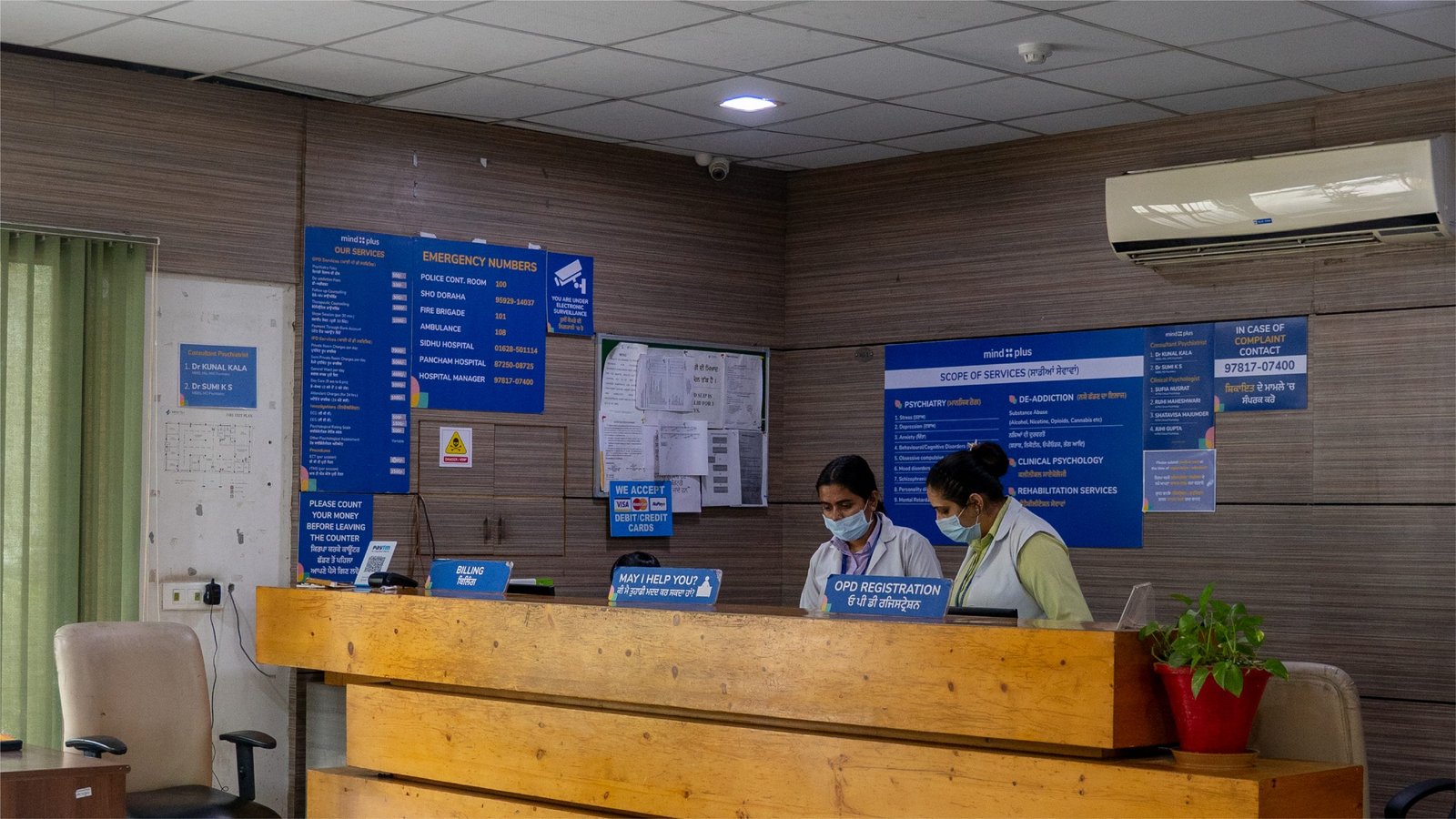
Our friendly reception

In-Patient rooms

A holistic approach to mental wellness

In-Patient facilities
